
In January 2022, we began looking for our next home. We had sold our first house in June 2021 and then moved into a rental owned by an amazing friend, since the housing market at the time was great for sellers and lousy for buyers. As it turned out, the housing market in 2022 would be just as bad, if not worse.
Each week, we would look at several houses and then place our bid and hope and pray. Inevitably, a few days later we would hear that there had been other offers that waived things we could not or offered like 30% over the list price. It was a long and frustrating time. Over the course of several months, we looked at over 100 homes and submitted something like 25 offers to no avail. We were frustrated and exhausted. But then, in April, a lifeline appeared as my parents graciously offered to help us buy land and build a tiny home.
The Dream
Ever since Hayley and I took an anniversary trip to a tiny home in the Appalachian Mountains, living in a tiny home had been a dream of mine. We live in a world of consumerism where self and stuff reign supreme. I am tasked not only with shepherding my own soul through this self-focused mess, but also guiding my family, especially my two young children, into a life that honors God before the idols of stuff.
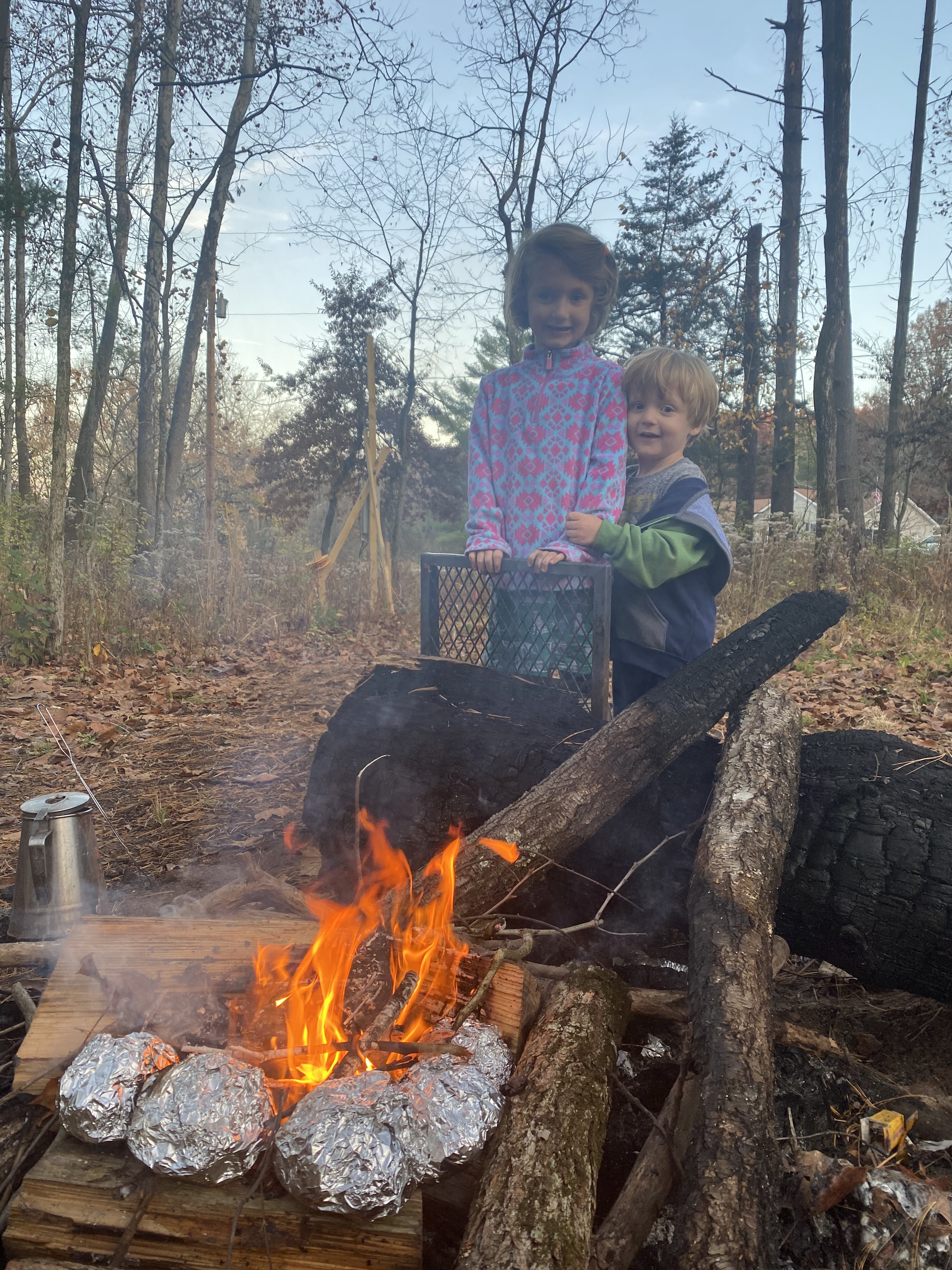
Part of the appeal of a tiny home is the focus on necessity rather than convenience or want. In a small space, you cannot have anything and everything you want. You must be intentional. You must know what you’re doing and using and why. For these reasons, as well as for financial ones, I had long dreamt of building a tiny home. And thanks to my parents, we now had an opportunity to do just that!
We soon purchased four acres of pine forest about 20 minutes south of church and submitted some our tiny home plans to the county for review. We bought a camper, got rid of a bunch of our stuff, ended our lease, and got ready to move out to our land while we worked on the house. We even had a 500 square foot tiny house shell on order.
The Dilemma
But then, a Homeowners Association appeared. A neighbor stopped by while we were working on the land one day and introduced himself as the trustee of the HOA, which came as quite a surprise. This HOA did not appear on our deed. It had not been disclosed by the previous owners. And it had somehow been missed by our title company, which had reported we would only pay road maintenance each year.[1]
This HOA turned out to be the exact thing that made us avoid dozens of other potential properties. There were numerous house and land restrictions, including square footage and design feature requirements, as well as the prohibition against certain kinds of animals. All things that, were we to have known about them at any point before closing, we would have simply gone with land options B, C, or D.
The Decision
But because we had found out about this HOA only after closing and after we ended our lease, we faced a critical decision. Would we grind everything to a screeching halt, try to sell the land, and start back at square one? Could we do all that while having no place to live? Or would we plunge ahead with the tiny house and face legal action from an HOA of upset neighbors? Or could we somehow pivot to make the best of the situation?
After much prayer and angst (and several conversations with mentors, real estate lawyers, and the HOA trustees), we landed on the third option: to build a bigger home and figure things out from there.
From a construction perspective, this was an immense change. With a tiny home, we were going to have a shell delivered to a foundation and then finish the space out. With a standard build, we had to create the whole thing from the ground up. Between my past construction experience and handyman work, I had done most of the things that were required to perform a standard build. But still, it was a very different process.
Additionally, this decision required some financial changes as well. Larger homes cost more to build than smaller homes (as I’m sure you can deduce for yourself). And a larger project would mean we had to pay construction loan costs for a longer length of time. These were the realities staring us in the face as we made our decision. But with what we knew at the time and the options before us, this still seemed the wisest way to move forward.[2]
The Wait
Those changes in motion, we made our decision and moved out to the land in our 29’ camper at the end of June. And then we waited.
And waited.
And waited some more.
Because we had to re-start the county permit review process,[3] we did not get permit approval until mid-November. That meant we had 18 weeks to sit and look at where we wanted to be building. 18 weeks of paying on construction loans for construction that was not being done. 18 weeks of asking ourselves, “are we really doing the right thing?” Let me tell you, it was a long 18 weeks.
But in November, we received approval to start building our home. Fortunately, our concrete contractors were able to get the foundation and slab poured before the winter weather made building impossible. And then the build began.
The Build
I will spare you from the nitty-gritty of describing the building process, mostly because much of it remains something of a blur to me. Once I could start working, I spent much of the seven months of construction working as much as I could in addition to my full-time pastoral work. Finally, after 24 works days with friends, countless nights and “off” days where Hayley and I would get work done, and approximately 150 trips to the hardware store,[4] we received our occupancy permit and moved in!
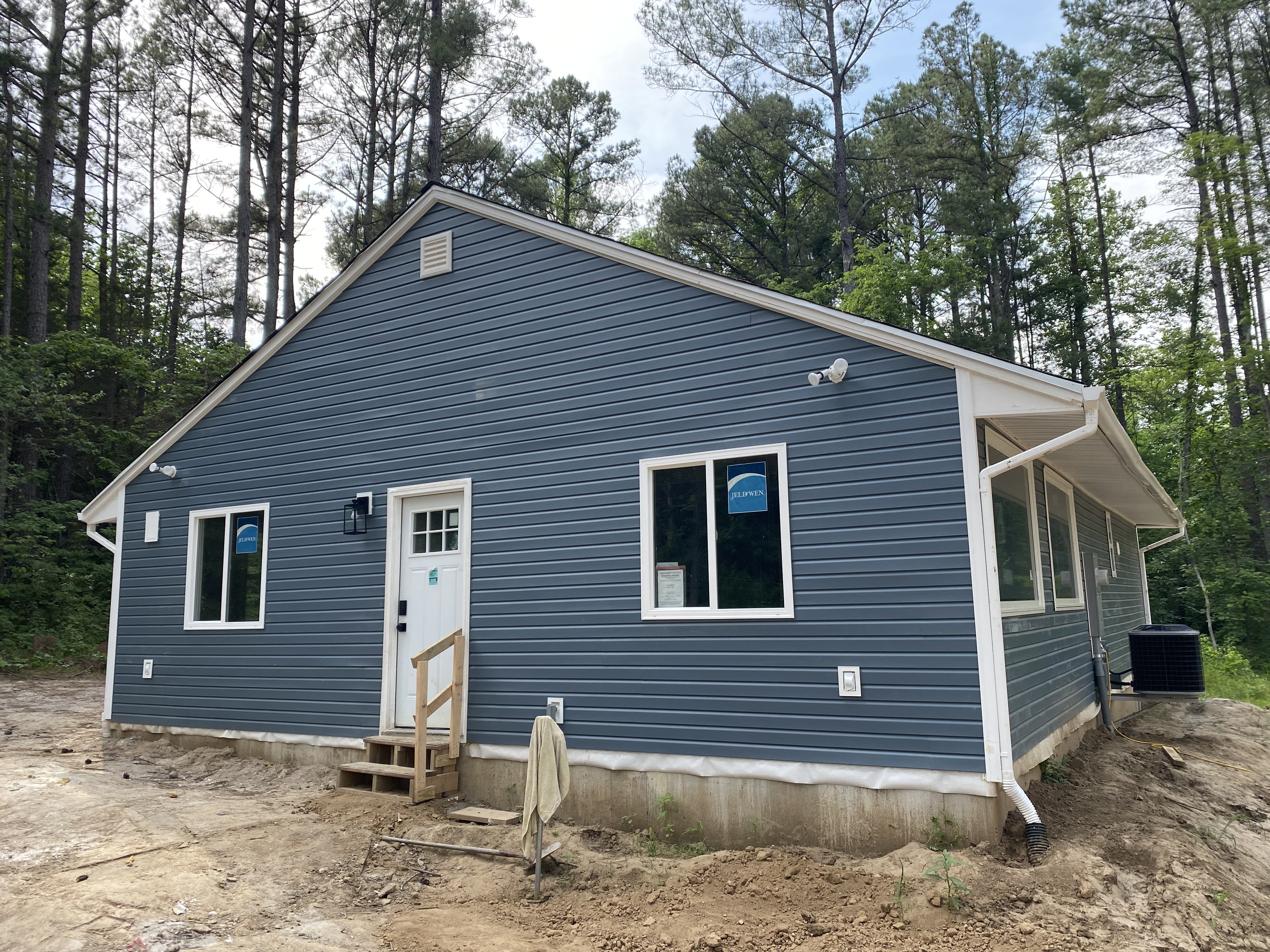
Tomorrow, I’ll share some lessons we learned while building our house. In the meantime, join me in remembering the words of Psalm 127: Unless the Lord builds the house, its builders labor in vain. Unless the Lord watches over the city, the watchmen stand guard in vain.
[1] Which, to be honest, I’m still upset about. What am I paying a title company hundreds of dollars to do if they are going to miss a HOA that I can find with an email to the county recorder’s office?
[2] My favorite part of everything with the HOA? After we had these conversations with us about where we at and what we were hoping to do, they submitted a revision to the bylaws to increase the minimum square footage required of homes.
[3] And because we’re individuals and not a big construction company who can throw our weight around.
[4] This figure is calculated by number of receipts. Some of our receipts are from pickup orders and some were one trip to multiple stores. But given those factors and the number of receipts, about 150 trips is our best estimate. Suffice it to say that I’m now very familiar with my local Lowe’s, Home Depots, and Menards.

 Pursuing Veritas
Leave a reply to Seven Lessons from Building a House – Pursuing Veritas Cancel reply